01
I/O Intensive Workloads
Mail, file sharing, and business applications demanding low-latency, high-throughput storage that the SSD/HDD cluster could no longer deliver consistently.
Large Non-Profit Organisation — Philippines
As I/O-intensive workloads outgrew the original SSD/HDD HCI cluster, ISPL designed and delivered a new NVMe cluster for high-IOPS VMs — preserving the original investment, avoiding a rip-and-replace, and wrapping the entire two-cluster estate in structured AMC and 24/7 managed services.
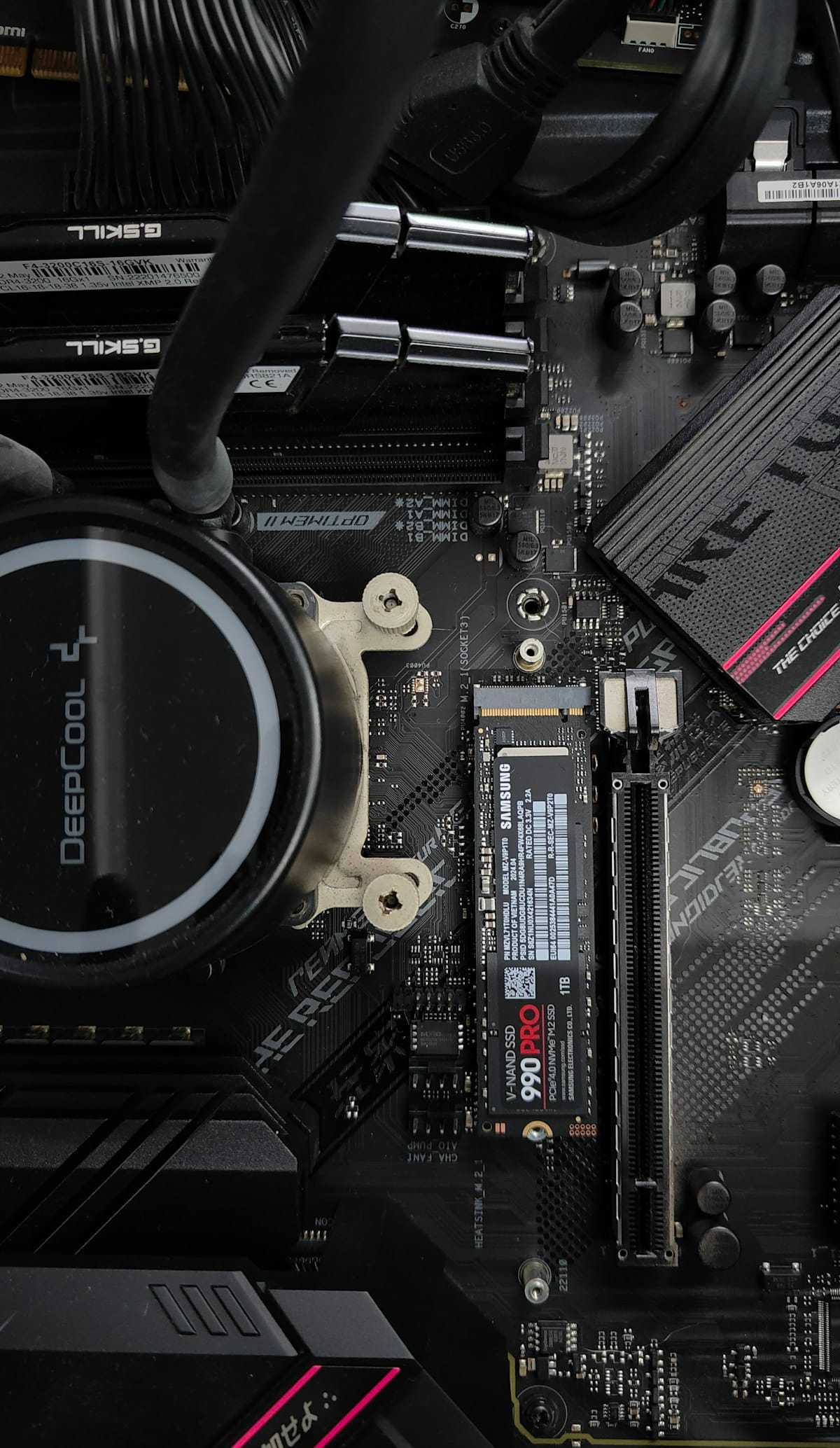
The client is a large non-profit organisation based in the Philippines running collaboration, file sharing, and business applications on an open-source hyperconverged infrastructure. The environment consists of two production HCI clusters — both designed and implemented by ISPL: an earlier SSD and HDD-based HCI cluster, and a newer NVMe and SSD-based HCI cluster.
Over time, the client consolidated more and more services onto the HCI platform — mail and collaboration, cloud storage, web services, and line-of-business applications — all running as virtual machines under a unified management plane.
As workloads grew and some VMs became highly I/O intensive, the original SSD/HDD cluster alone could not deliver the desired performance headroom and latency for all services while maintaining future growth capacity.
The client's position was clear: scale out the existing architecture — not replace it. Add a new high-performance cluster and selectively move intensive workloads there, while keeping both clusters in active use. Preserve the original investment. Avoid a disruptive rip-and-replace.
Mail, file sharing, and business applications demanding low-latency, high-throughput storage that the SSD/HDD cluster could no longer deliver consistently.
The original cluster needed performance headroom freed up to handle ongoing growth of standard workloads without becoming a bottleneck.
Replacing the existing cluster would have wasted the original investment and forced a disruptive full migration — unacceptable for a production environment.
Two separate clusters needed coherent management, monitoring, backup, and support coverage — not siloed operations for each environment.
An HDD/SSD-based cluster for standard workloads and a three-node NVMe/SSD cluster for high-IOPS VMs — both built on open-source virtualization and distributed storage.
Dedicated networks for cluster, storage, and backup traffic — with separate management and data planes for isolation and performance.
PBS-based backup with incremental backups, retention policies, and regular restoration drills. On-site primary with optional off-site replication.
Centralised syslog and NMS integration providing unified visibility across both clusters, application VMs, and network infrastructure.
ISPL established a comprehensive AMC and managed services engagement covering the full two-cluster estate — from hypervisor and storage through applications, security, and distribution network devices.
The client now runs a two-cluster HCI landscape where the original platform continues to host suitable workloads, while high-IOPS virtual machines run on the newer NVMe cluster. This progressive expansion avoided a disruptive rip-and-replace approach and preserved the original investment while delivering substantial gains in performance, resilience, and scalability.
Through the AMC and managed services engagement, the client benefits from structured operations, documented failover drills, and proactive capacity planning — all built on an open-source stack that keeps long-term licensing exposure under control.
A living example that infrastructure growth does not require infrastructure replacement — the right architecture accommodates new performance tiers while preserving existing ones.
About Illumia Solutions — As an official Proxmox partner, ISPL designs, deploys, and operates open-source HCI environments for organizations that need enterprise-grade infrastructure without enterprise-grade licensing costs.